Trans-Sahara Expedition Preparation
Mastering thermal stress, sand traction dynamics, and remote life-support systems in extreme desert corridors.
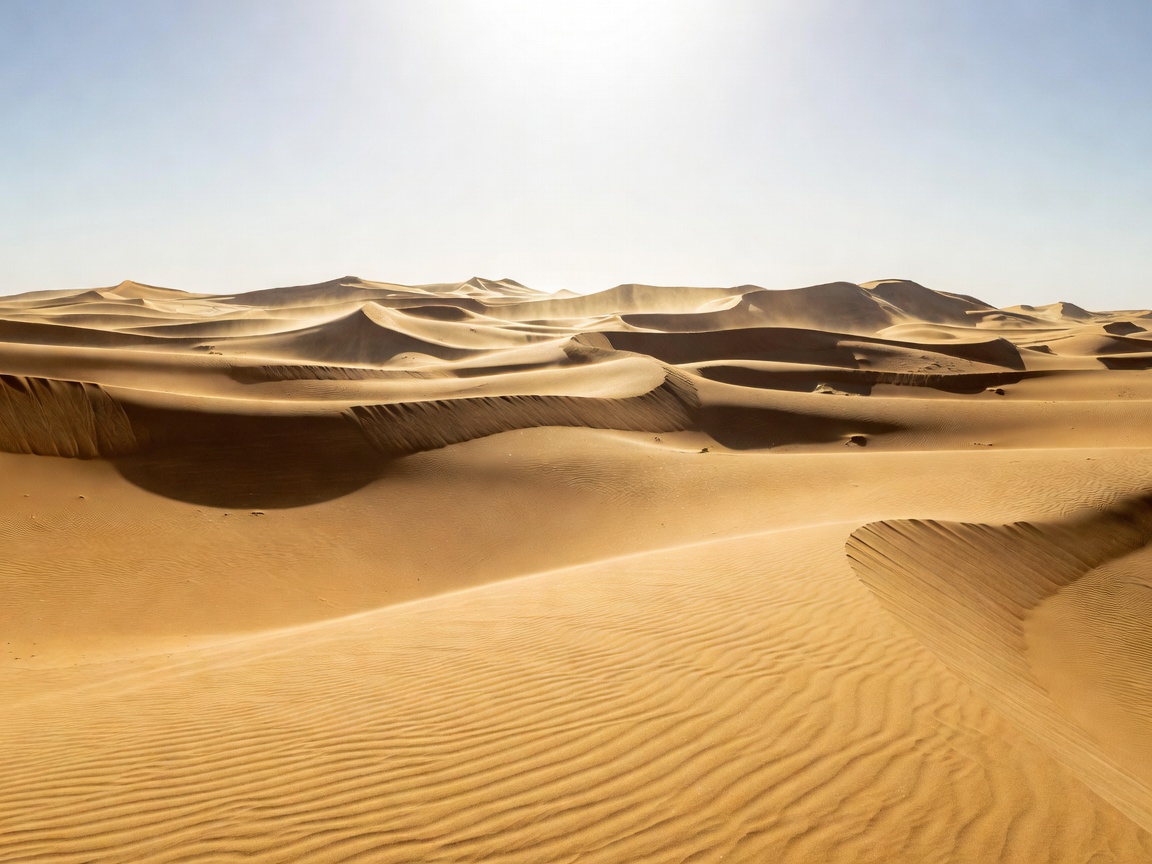
Crossing the vast expanses of the Sahara Desert presents unmatched engineering challenges. Ambient shade temperatures routinely breach 50°C, while surface sand temperatures can reach 80°C. For an expedition rig, this environment demands specialized cooling design, advanced filtration, and precise weight management.
1. Dual-Stage Air Filtration Systems
Micro-fine particulate silica sand quickly destroys standard combustion air filters. Portalvibly vehicles utilize active centrifugal particle separators before drawing air into secondary HEPA-rated intake elements. This setup ejects 98% of airborne dust before it touches the primary engine filter element.
2. Thermal Dissipation Architecture
Engine coolant, transmission fluid, and high-voltage battery packs require enlarged aluminum heat exchangers with high-cfm brushless fans. Auxiliary water-spray misters are installed to periodically lower radiator core temperatures during long high-rpm dune climbs.
3. Tire Pressure & Beadlock Wheel Dynamics
Driving on soft sand requires lowering tire pressures to 12-15 PSI to expand the tire contact footprint. Portalvibly equips all vehicles with forged aluminum beadlock wheels to prevent tire beads from unseating under high lateral torque load.